
As a Canadian immigration lawyer, I believe that effective advocacy requires more than knowing the law as it appears on paper. It requires staying connected to the people, policies, systems, and conversations that shape how immigration law is applied in real life. That is why I attended the 2026 CBA Immigration Law Conference in Ottawa, presented by the Canadian Bar Association Immigration Law Section from May 28–30, 2026.
The conference brought together immigration lawyers, government representatives, policy voices, and other professionals to discuss the future of Canadian immigration, refugee, and citizenship law. Its theme, “25 Years of the IRPA: Where Have We Been and Where Are We Going,” offered an important opportunity to reflect on how Canada’s immigration system has evolved since the Immigration and Refugee Protection Act came into force, and where it may be headed next.
Why the CBA Immigration Law Conference Matters to Clients
As a Canadian immigration lawyer, I have a responsibility to remain current, thoughtful, and prepared when advising clients. Immigration law is not static. A client’s options may be affected by legislation, IRCC policy instructions, processing trends, evidentiary expectations, technology, and decisions from the courts.
Attending the CBA Immigration Law Conference helps me step back from day-to-day files and engage with broader developments in Canadian immigration, refugee, and citizenship law. For my clients, that matters because good legal advice should be grounded not only in the rules, but also in a careful understanding of how those rules are evolving and being applied in practice.
25 Years of IRPA: Looking Back and Looking Ahead
A major theme of the 2026 CBA Immigration Law Conference was “25 Years of the IRPA: Where Have We Been and Where Are We Going.” IRPA, the Immigration and Refugee Protection Act, is the central legislation that shapes much of Canada’s immigration and refugee system. Reflecting on 25 years of IRPA is important because it allows Canadian immigration lawyers to consider how the law has developed, how it is functioning today, and how it should evolve over the next 25 years.
As we enter an age of artificial intelligence, digital portals, automated tools, and high-volume processing, the future of IRPA will require careful attention to fairness, transparency, accountability, and access to justice. For me, this theme was a reminder that immigration law must remain human-centred, even as the systems used to administer it become more technologically complex.
Canadian Immigration Lawyer Meeting and Learning from Canada’s Immigration Leaders
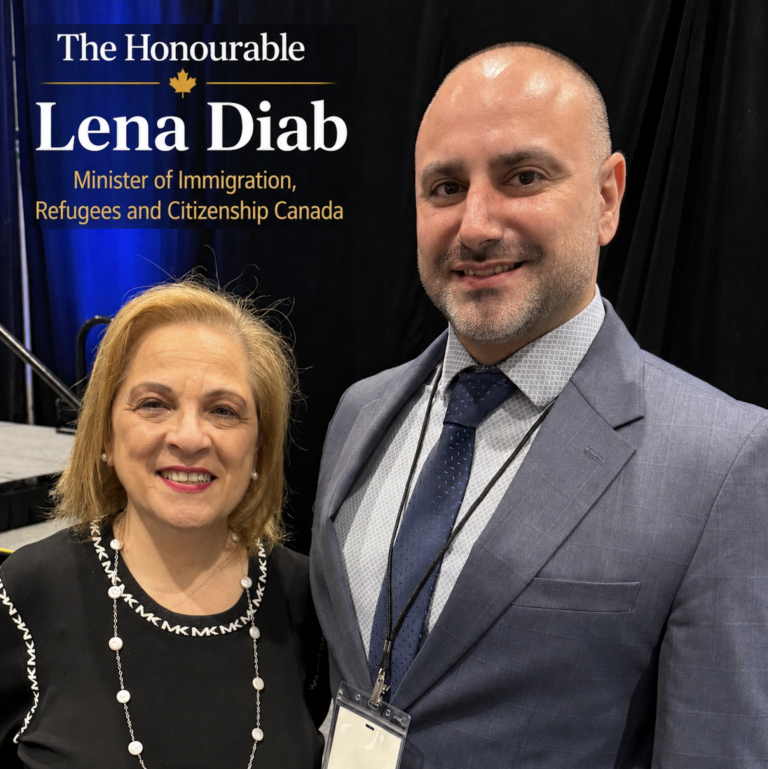
Practicing Canadian immigration law is not only about applying the law to the facts of a case. It is also about listening, learning and understanding the system my clients must navigate. At the conference, I had the privilege to meet the Honourable Lena Metlege Diab, Minister of Immigration, Refugees and Citizenship, who delivered welcome remarks as part of the conference program.
I see these moments as part of my responsibility as a Canadian immigration lawyer. Staying engaged and learning from leaders and colleagues helps me remain connected to the conversations that may shape the future of immigration law in Canada. Behind every policy discussion are real people making important decisions about their families, careers, education and future in Canada.
What I Took Away from the Conference
Canadian immigration law is shaped by more than legislation, regulations and policy manuals. It is also shaped by the judgment, experience and values of the people who practise it, interpret it, administer it and help build the system around it.
For a Canadian immigration lawyer, engaging with colleagues and decision-makers across the country is not separate from client service, it is an important part of understanding how the law operates in practice so that I can better serve my clients.
These conversations help reveal where the system is working, where it is under strain and where it may be heading next. They also bring into focus the values that should guide Canadian immigration law: fairness, integrity, accountability, compassion and respect for the people whose lives are affected by immigration decisions.
I left the conference with a deeper appreciation that strong advocacy requires both legal knowledge and practical insight. My responsibility is to bring both to my clients as they navigate a system that continues to evolve.
Request a Consultation with Ash
Looking for a Canadian immigration lawyer in Victoria BC? Ash Forghani is a Canadian immigration lawyer in Victoria and also assists clients in Vancouver BC, across Canada, and worldwide with their Canadian immigration law matters. Whether you need assistance with a visitor visa, super visa, work permit, study permit, restoration of status, BC PNP, permanent residence, or Canadian citizenship, Ash is here as your trusted immigration lawyer.
